
How to Get Eyeglass Repairs That Last (2026)
Eyeglass repairs can often restore broken, loose or uncomfortable glasses without the cost of a new pair. An experienced optician may replace screws, adjust the fit, solder a damaged frame, repair hinges or remount lenses. The right solution depends on the material, damage and condition of your eyewear.
What can an optician repair on glasses?
Many everyday glasses problems are repairable, especially when the lenses are still in good condition. At Bay Optical Laboratory, repairs are assessed individually so the recommended solution suits the frame and your needs.
Common eyeglass repairs include:
- Replacing missing or damaged screws
- Tightening or replacing loose hinges
- Adjusting nose pads and temple arms
- Realigning crooked frames
- Repairing separated or cracked frame sections
- Remounting lenses into a suitable frame
A frame that feels loose, sits unevenly or keeps slipping may only need a careful adjustment. Small changes to the bridge, temples or nose pads can make a noticeable difference to comfort and vision.
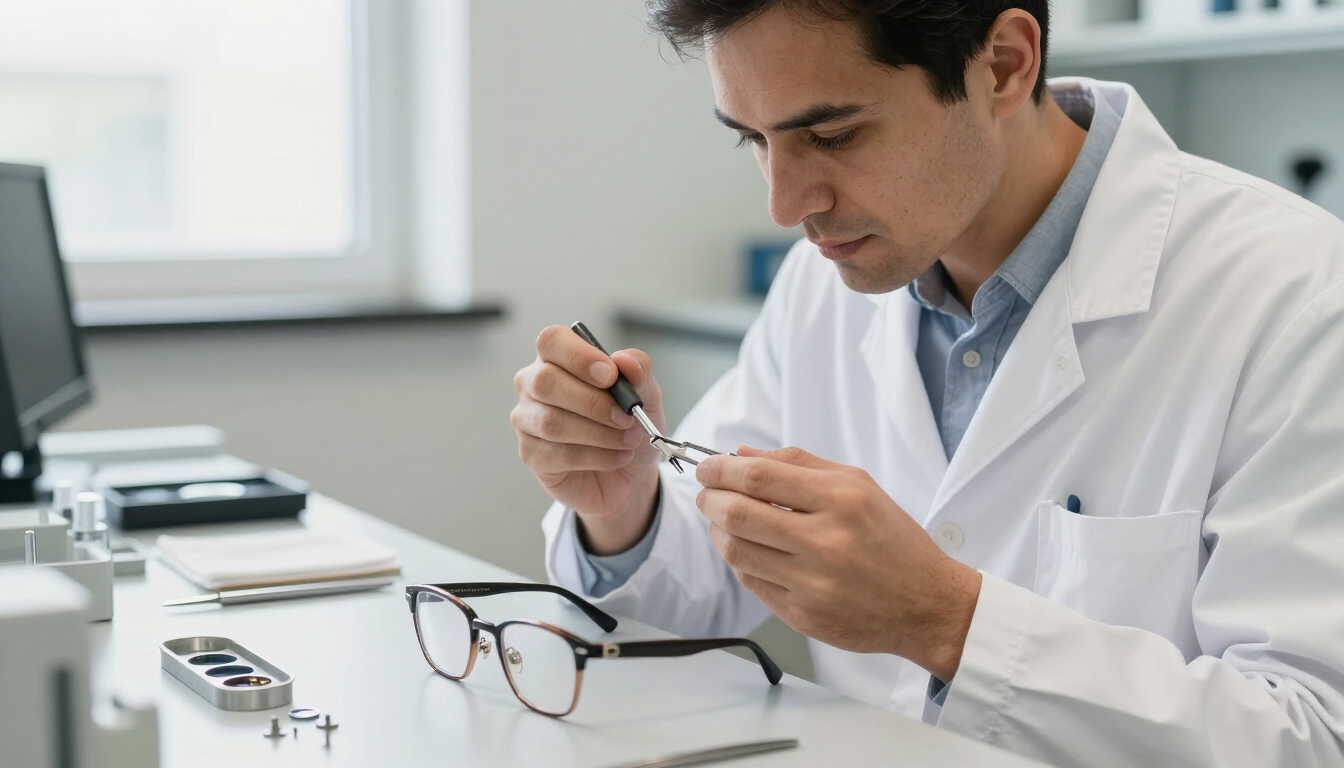
Can broken glasses be repaired instead of replaced?
Often, yes. Repairing glasses may be a practical alternative when the lenses are still appropriate, the prescription has not changed and the frame can be safely restored.
Repair is usually worth considering when:
- The damage is limited to a screw, hinge, nose pad or alignment
- The frame is made from a repairable material
- The lenses are relatively new and free from major scratches
- You are comfortable with the existing frame
- A replacement would be difficult or expensive to source
Replacement may make more sense when the frame is badly fractured, brittle, repeatedly failing or no longer suitable for your prescription. Your optician can explain whether a repair is likely to be durable or simply temporary.
How much do glasses repairs cost?
The price depends on the type of repair, the materials involved and whether replacement parts are available. A simple screw or nose-pad replacement is generally less involved than frame soldering or lens remounting.
Before work begins, ask what the repair involves and whether there is any risk to the frame or lenses. A professional assessment helps you compare the likely repair cost with the cost of replacement eyewear.
Some repairs can be completed quickly, while more complex work may require additional time. If you rely on your glasses every day, mention this when you visit so the team can explain the available options clearly.
Eyewear repair services at Bay Optical Laboratory
Since 1970, Bay Optical Laboratory has helped people throughout the South Coast of Oregon keep their eyewear comfortable, functional and dependable. Our independently owned optical lab combines technical experience with friendly, personal service.
Our experienced opticians can help with a full range of common repairs, including:
- Adjustments: We realign frames, refine the fit and reduce pressure or slipping.
- Screw replacement: Missing or loose screws can often be replaced with suitable parts.
- Frame soldering: Certain metal frame breaks may be repaired using specialist techniques.
- Lens remounting: Lenses may be transferred or reseated when the frame and lens are compatible.
- General assessment: We identify the safest and most practical next step for your eyewear.
Where possible, repairs are handled efficiently and may be completed while you wait. Timing depends on the type of damage, the availability of parts and the condition of the frame.
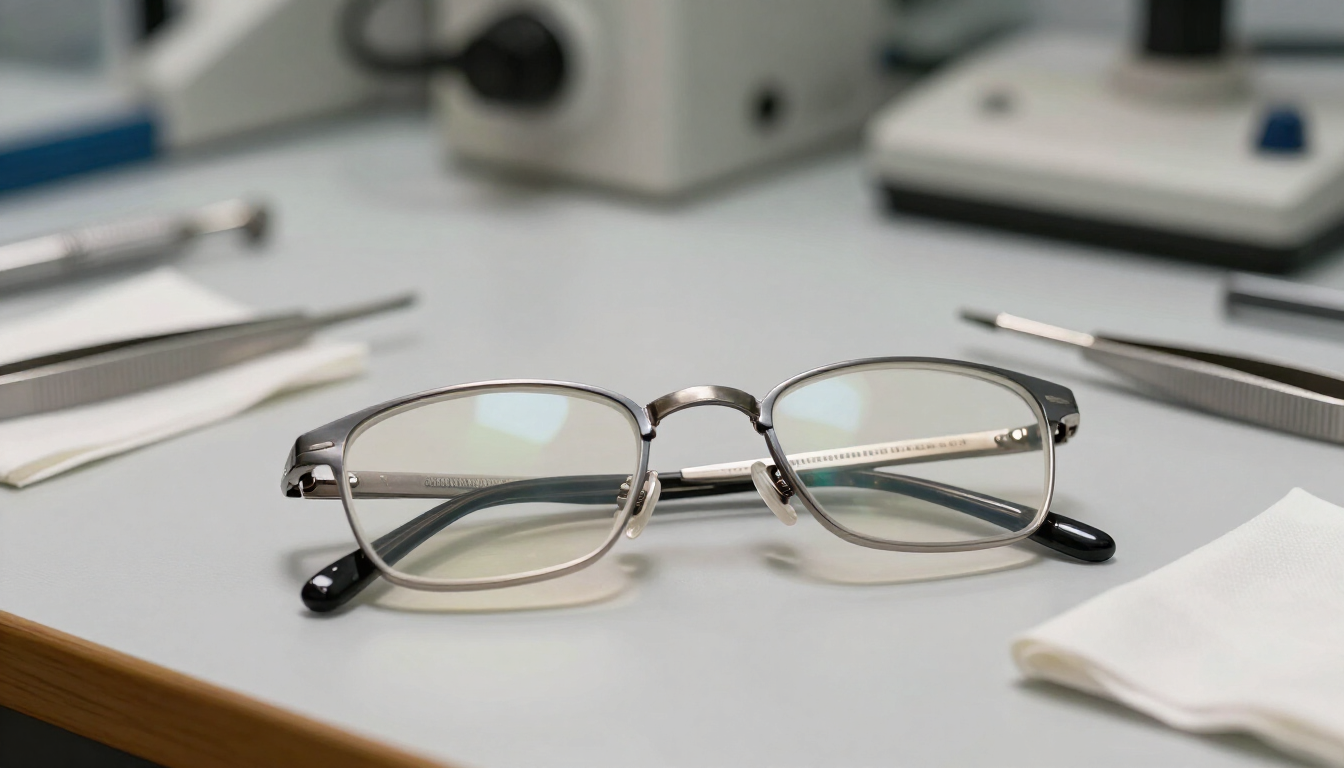
What should you do before bringing in damaged glasses?
A little care before your visit can help protect the frame and lenses. If a temple arm is loose or a screw is missing, avoid forcing it back into position. Home repairs using household glue can make professional repair more difficult and may permanently damage coatings or frame materials.
Before visiting an optical lab:
- Keep all loose parts in a small container or sealed bag
- Store the glasses in a hard case if available
- Avoid wearing a frame that causes pain or sits dangerously unevenly
- Do not bend the frame repeatedly to test it
- Bring the glasses, case and any matching spare parts
If one lens has fallen out, protect it from scratches and keep it separate from keys or other objects. If the frame has sharp edges, wrap it gently in a soft cloth rather than carrying it loose in a pocket or bag.
How long do eyeglass repairs take?
Simple adjustments, screw replacements and some nose-pad changes can often be completed during a short visit. More involved repairs, such as soldering or lens remounting, may take longer because the frame must be handled carefully and checked for alignment afterwards.
The exact time depends on:
- The location and severity of the damage
- The frame material and construction
- Whether the required part is available
- Whether the lenses need to be removed or repositioned
- The number of checks needed after repair
A quick repair should still be carefully inspected. Once the work is complete, the optician should check that the lenses are secure, the frame is aligned and the glasses sit comfortably on your face.
When should you choose new glasses?
Repair is not always the best long-term option. Consider new eyewear if the frame has multiple cracks, no longer fits properly, has become brittle or has already been repaired several times. A frame can look acceptable but still be too weak to hold lenses securely.
New glasses may also be appropriate when your prescription, lifestyle or visual needs have changed. For example, you may benefit from different lens features for screen use, driving, reading or outdoor activities. You can explore available services or browse eyewear before making a decision.
An optician can compare the condition of your current pair with suitable replacement options. This gives you a clearer choice between repairing what you have and investing in eyewear that better supports your everyday routine.
How can you make repaired glasses last longer?
Good daily habits can reduce future damage and help a successful repair last. Always remove glasses with both hands, place them with the lenses facing upwards and use a proper case when they are not being worn.
Clean lenses with lukewarm water and a suitable microfibre cloth. Avoid paper towels, clothing and household glass cleaners, which can scratch lenses or damage specialist coatings. Do not leave glasses on a car dashboard or in another hot environment, as heat can affect frame shape and lens coatings.
Have the fit checked if your glasses begin slipping, pressing behind the ears or sitting unevenly. Early adjustment may prevent additional stress on hinges and frame joints.
If you need help deciding whether to repair or replace your glasses, contact Bay Optical Laboratory through our Contact Us page. You can also learn more about our repairs service before your visit.
Eyeglass repair checklist
Use this quick checklist when deciding what to do next:
- Check whether the lenses are still suitable and in good condition.
- Keep broken parts together and avoid glue or force.
- Ask an optician whether the frame material can be repaired safely.
- Compare the expected repair with the cost and benefits of replacement.
- Have the fit and lens security checked after the work is finished.
The key takeaway
Eyeglass repairs are often the simplest way to restore glasses that are loose, crooked or damaged, particularly when the lenses and frame are otherwise in good condition. Small problems such as missing screws, worn nose pads and poor alignment can often be resolved quickly, while soldering and lens remounting require a more detailed assessment. Bring damaged eyewear to an experienced optician rather than attempting a glue-based repair at home. Bay Optical Laboratory can help you compare repair and replacement options, so your next step is practical, safe and suited to how you use your glasses.





