Optometrist Clinic in North Bend, OR: What to Expect at Your First Eye Exam
Your first eye exam at an optometrist clinic can feel uncertain, especially if you have never been through the process before. This guide walks through what to expect, what to bring, and the questions worth asking, so patients in North Bend, OR, can walk in feeling prepared. Whether you live near Empire or Pony Village, or you are new to the Coos County area, understanding the process ahead of time makes the visit smoother and more productive.
What to Bring to Your Eye Exam Appointment
Arriving prepared saves time and helps the optometrist give you the most accurate care possible. Most patients visiting an optometrist clinic in the North Bend, OR, area are asked to bring a few essential items:
- Your current glasses or contact lenses, so the doctor can review your existing prescription.
- A list of any medications, vitamins, and supplements you take, since some can affect eye health.
- Your vision and medical insurance cards, so staff can verify benefits before the exam begins.
- A list of any symptoms you have noticed, such as blurry vision, headaches, or eye strain.
If you wear contact lenses, staff may ask you to remove them before certain tests. Check when you schedule your appointment
What Happens During a Comprehensive Eye Exam?
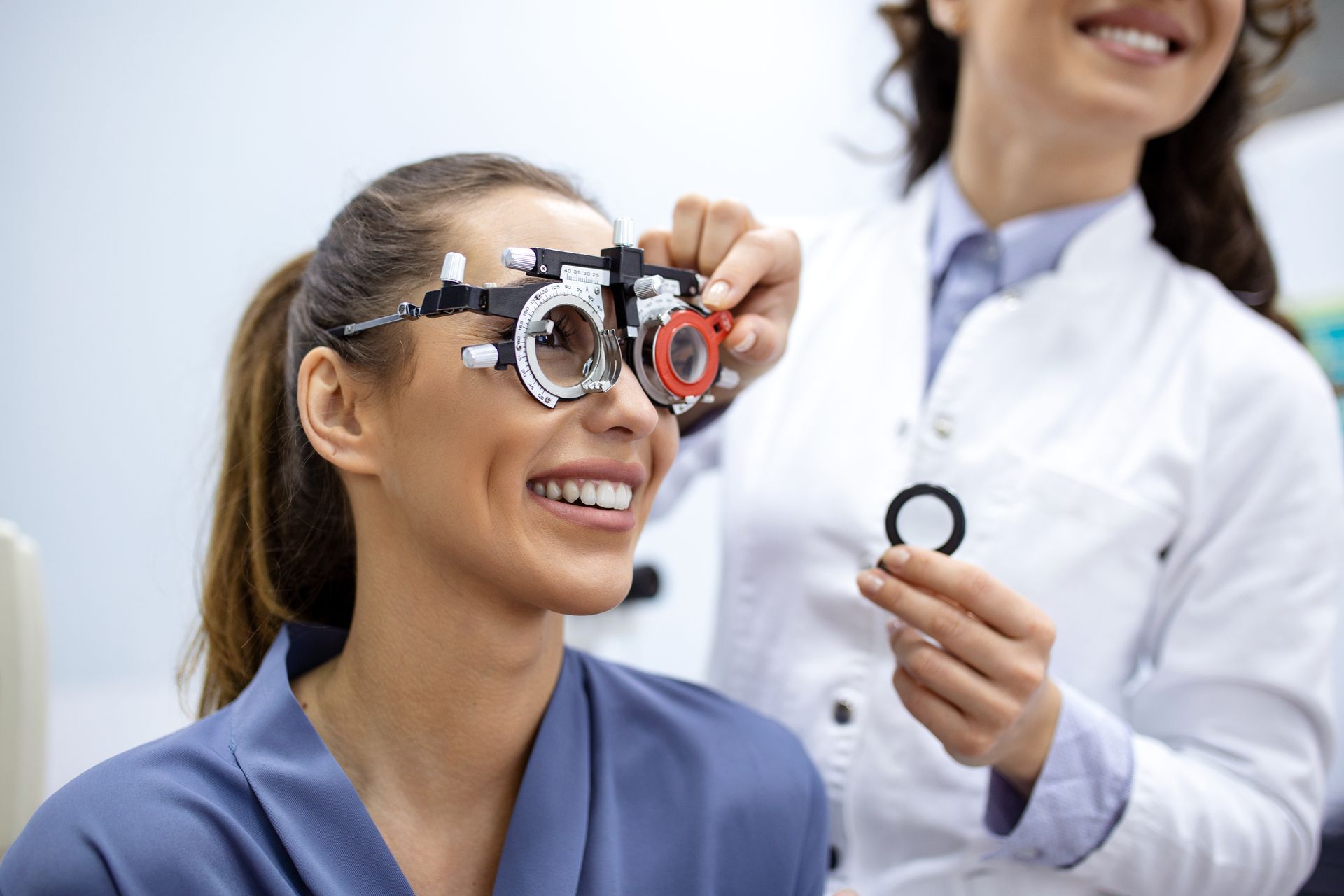
A comprehensive eye exam covers much more than reading an eye chart. Your optometrist will evaluate your full eye health, not just your ability to see clearly. Expect the visit to take between 45 minutes and an hour.
The Step-by-Step Exam Process
Most visits include these steps:
- A review of your health history and any vision concerns you have noticed.
- A visual acuity test, where you read letters on a chart at different distances.
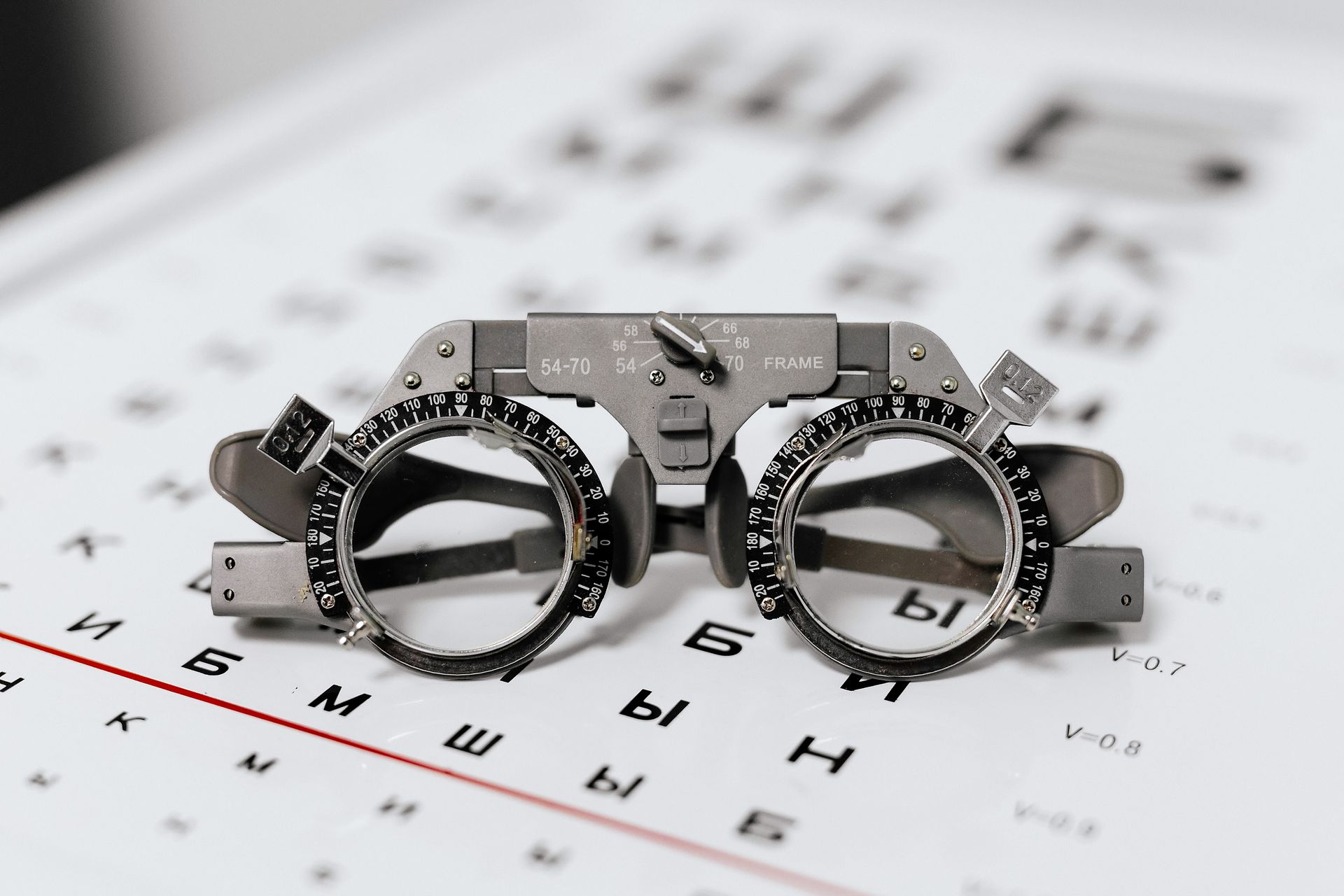
- A refraction assessment to determine your lens prescription for glasses or contacts.
- A check of how your eyes move and work together.
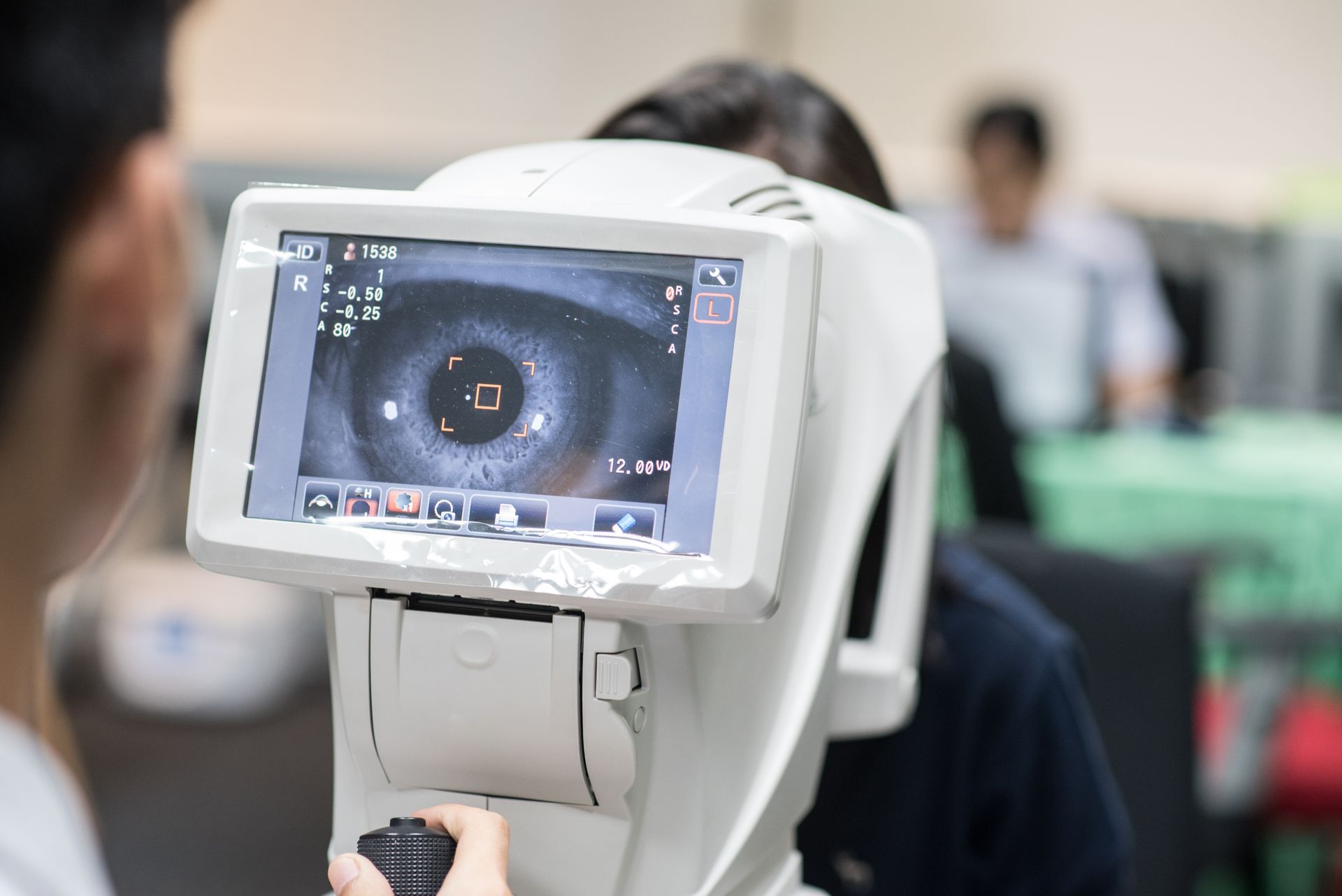
- An eye pressure evaluation, which screens for conditions like glaucoma.
- A dilated eye exam, where drops widen the pupils so the doctor can examine the retina and optic nerve.
Dilation can cause light sensitivity for a few hours, so bring sunglasses. Many patients prefer to have someone drive them home afterward.
Glasses Versus Contact Lenses: What to Expect Next
Once the exam is complete, your optometrist will discuss your prescription and vision correction options. Glasses and contacts each have advantages depending on your lifestyle, comfort, and eye health.
If contacts interest you, a separate fitting is usually needed to measure the curvature of your eye. Patients new to contacts will also receive instructions on safe handling and hygiene.
For glasses, your prescription is the starting point. A skilled optician can then help you choose the right lens type and frame for your daily activities.
Insurance Questions to Ask Before Your Visit
Asking the right questions ahead of time helps avoid surprises. Consider raising these with the front desk at your optometrist clinic before your appointment:
- Does my plan cover a comprehensive eye exam, or only a vision screening?
- Is there a separate copay for a contact lens fitting?
- How often does my plan cover new glasses or contact lenses?
- Are there in-network frame or lens options I should look for?
Most clinics are happy to verify your coverage before the appointment.
What About Frames and Lens Coverage?
Most vision plans extend beyond the exam. Vision insurance can also provide discounts on corrective lenses and frames, making eyewear more affordable. Allowances vary widely between carriers and plan tiers, so reviewing your specific plan details matters.
Common vision insurance providers in Oregon include VSP, EyeMed, and UnitedHealthcare. Some plans offer a set dollar allowance for frames; others apply a percentage discount. Patients wanting a broader selection can explore designer and specialty eyewear options to find styles that work within their plan's allowance.
What About Contact Lens Benefits?
Contact lens benefits are common in vision plans, though they often work as an alternative to the glasses allowance rather than in addition to it. Most plans let you choose either glasses or contacts in a given benefit year. If you wear contacts full time, check whether your plan covers a supply of lenses and whether a fitting fee applies separately.
North Bend, OR, Considerations for Local Patients
Residents of North Bend, OR, and surrounding areas like Coos Bay and Marshfield face environmental factors that can affect eye health. The Oregon Coast brings significant UV exposure even on overcast days, and extended time outdoors near the bay or on the water increases the risk of UV-related eye conditions over time. Discussing these concerns with your optometrist clinic is a smart step for anyone living or working along the coast.
Patients who spend time in coastal environments may benefit from discussing polarized or UV-protective lenses with their optician. Those who work in fishing, trades, or marine industries may also want to ask about protective and safety eyewear options.
Ready to Take the Next Step with Bay Optical Lab?
Bay Optical Lab is the trusted optical lab and eyewear provider serving North Bend, OR. Once you have your prescription from your optometrist clinic, the team at Bay Optical Lab can help you find the right frames from a collection of approximately 800 options, along with specialty lenses suited to your lifestyle. Call 541-756-2571 to speak with a knowledgeable optician, or contact the team online before your visit.
To schedule an eye exam, contact the affiliated Bay Eye Clinic directly at 541-756-2584. When you are ready to browse frames and lenses,
explore the full range of eyewear services at Bay Optical Lab. You can also find Bay Optical Lab on Google to read reviews and get directions:
Bay Optical Lab.