Optometrist vs. Ophthalmologist: Which Eye Doctor Do You Need in North Bend, OR?
Choosing your eye care provider in North Bend, OR, can feel confusing, but knowing the difference between these two types of eye doctors makes the decision much simpler. They play distinct roles, and most patients in the Coos Bay area will work with both at some point in their lives. Understanding who does what helps you get the right care at the right time.
What Is an Optometrist?
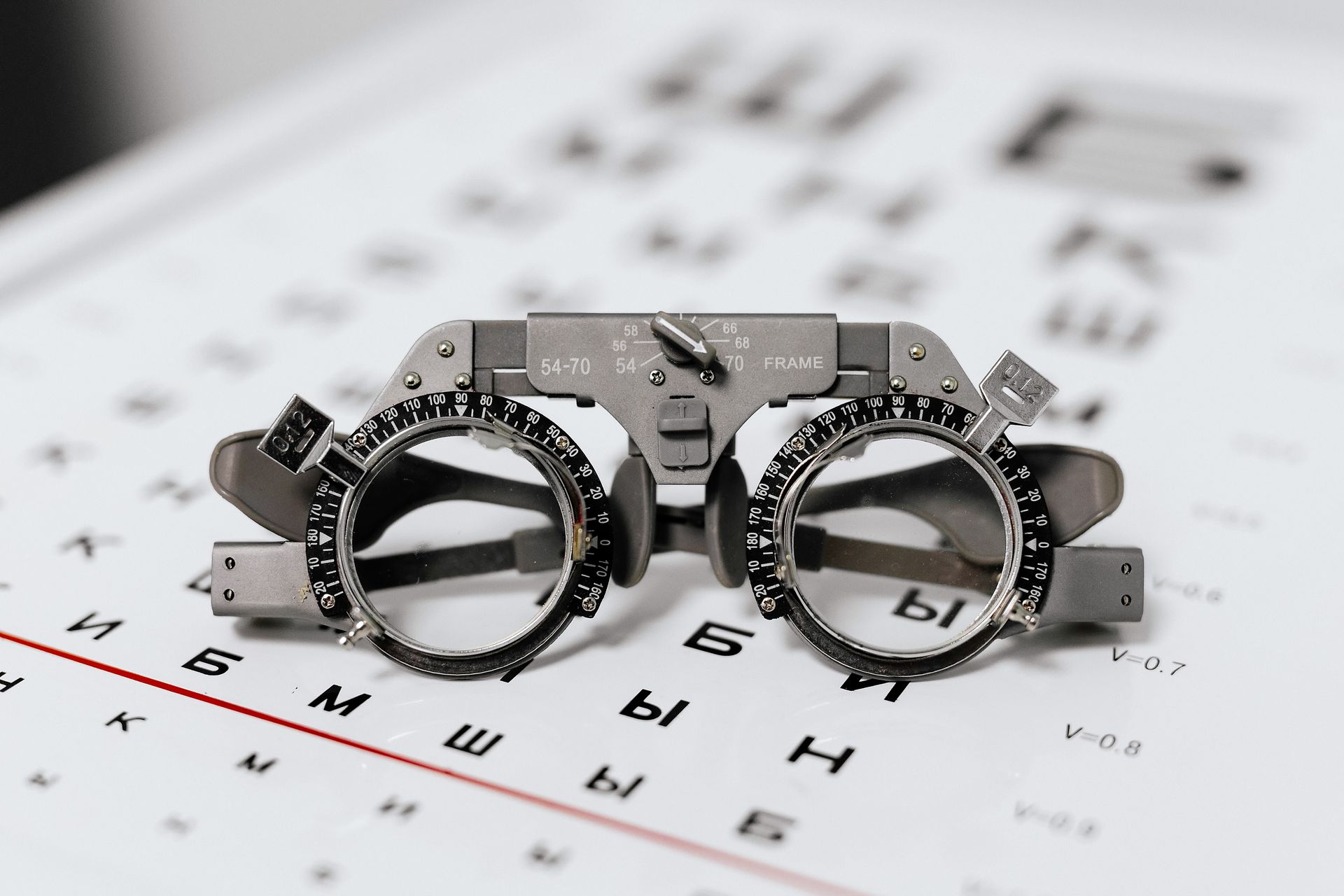
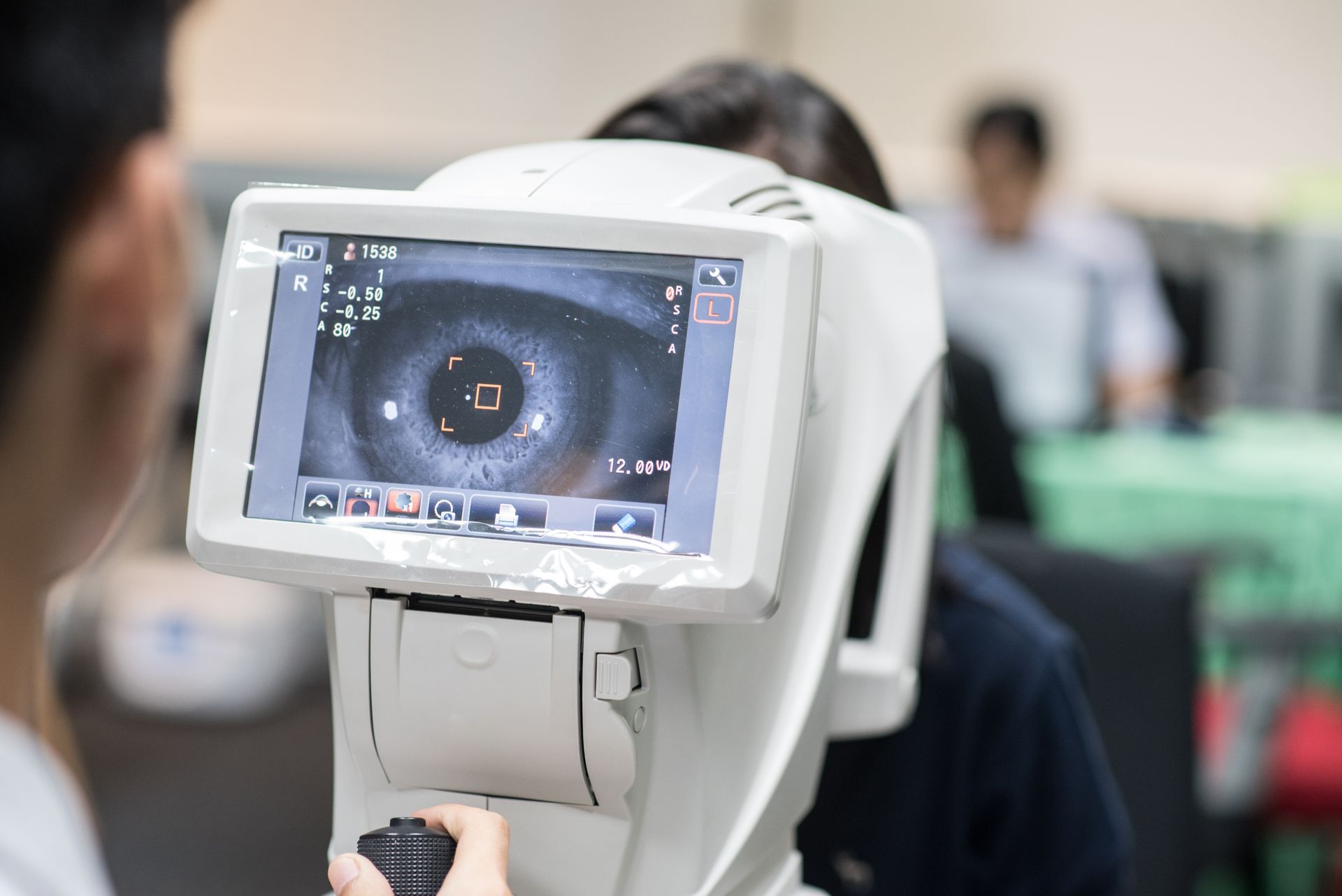
This licensed eye care provider focuses on routine vision care and eye health. In North Bend, OR, this provider typically performs comprehensive eye exams, prescribes corrective lenses, and screens for common eye conditions such as glaucoma, cataracts, and diabetic eye disease. This type of eye doctor earns a Doctor of Optometry (OD) degree, which involves four years of specialized optometry school following undergraduate education.
ODs are often your first point of contact for eye care. If your vision seems blurry, your eyes feel strained after a day of screen time, or you simply need an updated glasses or contact lens prescription, an optometrist is the right provider to see. They can also identify warning signs that may require a referral to a higher level of care.
What Is an Ophthalmologist?
An ophthalmologist is a medical doctor (MD or DO) who specializes in eye and vision care, including surgery. They complete medical school plus a residency in ophthalmology, and many pursue additional fellowship training in subspecialties. Their scope of practice extends to diagnosing and treating complex eye diseases and performing surgical procedures such as cataract surgery, glaucoma surgery, and retinal repair.
Ophthalmologists handle conditions that go beyond routine vision care. These may include advanced glaucoma, retinal detachment, macular degeneration, diabetic retinopathy, and eyelid disorders. If something serious is found during your exam, you will often be referred to an ophthalmologist for further evaluation or treatment.
Side-by-Side Scope of Care
Here is a quick comparison to help clarify who handles what:
Optometrist can typically:
- Perform comprehensive eye exams and vision testing.
- Prescribe glasses and contact lenses.
- Diagnose and co-manage common eye conditions.
- Prescribe certain eye medications in Oregon.
- Refer patients to an ophthalmologist when needed.
Ophthalmologist can typically:
- Perform all optometric services.
- Diagnose and treat complex eye diseases.
- Prescribe a full range of medications.
- Perform laser procedures and eye surgery.
- Manage post-surgical eye care.
When Should You See Each Provider?
Routine eye care is the domain of the OD. For most adults and children in the North Bend, OR, area, an annual or biennial exam covers the basics of vision health. This is where prescriptions get updated and early warning signs get caught before they become serious problems.
You may need an ophthalmologist if a condition requires surgical treatment or specialized management. For example, a patient with rapidly progressing glaucoma or a suspected retinal tear will typically be referred out. In Coos Bay and North Bend, residents may benefit from knowing that ophthalmology services are available locally. Bay Eye Clinic, located at 3585 Broadway Ave in North Bend, offers ophthalmology services and can serve as a referral destination when advanced care is needed. For retina-specific concerns, a retina specialist also operates out of the same Broadway Avenue address in North Bend, providing subspecialty care close to home without a long drive to Eugene or Portland.
The Optician: A Third Provider to Know
Many people also encounter opticians, which adds to the confusion. An optician is not a doctor. They are trained technicians who fill prescriptions for eyeglasses and contact lenses, fit frames, and make adjustments. They cannot perform eye exams or diagnose eye conditions. Think of them as the skilled professionals who turn your eye doctor's prescription into a finished pair of glasses.
Do I Need a Referral to See an Ophthalmologist?
In most cases, yes. Your eye doctor will typically refer you to an ophthalmologist if they find a condition that requires surgical treatment or specialized care. Some ophthalmologists also accept self-referrals, so it is worth calling ahead to ask about their intake process.
How Often Should I See an Eye Doctor?
Most adults with no major vision concerns may benefit from an eye exam every one to two years. Adults over 60, diabetic patients, and those with a family history of glaucoma or macular degeneration may need to be seen more frequently. Your provider can advise you on the schedule that fits your health profile.
Can an Optometrist Treat Eye Infections?
Yes, ODs in Oregon can diagnose and treat many common eye infections using prescription eye drops and medications. For more complex infections or cases that do not respond to initial treatment, a referral to an ophthalmologist may be recommended.
Finding the Right Eye Care in North Bend, OR
Most residents of North Bend, OR, will start their eye care journey with an optometrist for routine exams and vision correction needs. From there, the provider serves as a guide, referring patients to an ophthalmologist when the situation calls for it. The two roles complement each other, and having access to both types of providers locally is a real advantage for Coos County residents.
When you are ready to take the next step, Bay Optical Lab is here to support your vision care. After your exam, our ABO certified opticians can help you find the right frames and lenses from our collection of over 800 options on display.
Explore our eyewear services or
contact us to get started. Call us at
541-756-2571 or visit us at 3587 Broadway Ave, North Bend, OR. You can also find us and read reviews at
Bay Optical Lab.